
Blog
Mortgage Terminology Explained: Complete Ontario Guide


Most canadian homebuyers face tough choices when it comes to mortgages. With over 40 percent struggling to understand basic mortgage terms, making a confident decision can be daunting. Knowing the core concepts early helps you avoid costly mistakes and empowers you during negotiations. This guide makes complex language easy to follow so you can approach the canadian mortgage process with clarity and take the next step toward homeownership.
Table of Contents
- Essential Mortgage Terminology And Core Concepts
- Types Of Mortgages In Ontario Explained
- Key Features: Rates, Terms, And Payments
- Legal And Regulatory Requirements In Ontario
- Understanding Mortgage Costs And Financial Risks
Key Takeaways
| Point | Details |
|---|---|
| Understanding Mortgage Terms | Familiarity with key mortgage concepts like principal, interest rate, and amortization is essential for informed decision-making in home financing. |
| Types of Mortgages | Ontario offers diverse mortgage options including fixed-rate, variable-rate, and high-ratio mortgages, each catering to different financial needs and risk tolerances. |
| Regulatory Awareness | Borrowers must navigate both provincial and federal regulations to ensure compliance and understand their rights when securing a mortgage. |
| Financial Risks | Recognizing potential costs and risks, such as penalty fees and interest rate fluctuations, is critical for maintaining long-term financial health in mortgage management. |
Essential Mortgage Terminology and Core Concepts
Understanding mortgage terminology is crucial for navigating the complex world of home financing. Whether you’re a first-time homebuyer or an experienced property investor in Ontario, knowing these core concepts can help you make informed financial decisions. Mortgage brokers in Ontario frequently emphasize the importance of comprehending these fundamental terms before signing any agreements.
At its core, a mortgage represents a legal agreement where a lender provides funds to purchase real estate, with the property itself serving as collateral. Key components include the principal (the total borrowed amount), interest rate (the cost of borrowing), amortization period (total loan repayment timeline), and term (duration of a specific mortgage contract). The Canada Mortgage and Housing Corporation recommends understanding these elements to assess affordability and long-term financial implications.
Mortgage types in Ontario vary significantly, each with unique characteristics. Fixed-rate mortgages offer stable interest rates throughout the term, while variable-rate mortgages fluctuate based on market conditions. Additional variations include open mortgages (flexible prepayment options), closed mortgages (limited prepayment), and high-ratio mortgages for buyers with smaller down payments. Borrowers should carefully evaluate their financial situation, risk tolerance, and long-term goals when selecting a mortgage structure.
To make sound mortgage decisions, Ontario residents must understand critical financial metrics. Debt service ratios like Gross Debt Service (GDS) and Total Debt Service (TDS) help lenders assess a borrower’s ability to manage mortgage payments alongside existing financial obligations. These calculations typically recommend that housing costs should not exceed 32% of gross household income, with total debt payments remaining under 40%. By mastering these fundamental concepts and working with knowledgeable mortgage professionals, homebuyers can confidently navigate Ontario’s dynamic real estate landscape.
Types of Mortgages in Ontario Explained
Mortgage options in Ontario provide homebuyers with diverse financial solutions tailored to different needs and risk preferences. Alternative mortgage strategies have expanded significantly, offering flexibility beyond traditional lending models. Understanding these variations helps prospective homeowners make informed decisions that align with their financial goals and personal circumstances.
Traditional mortgage types fall into several primary categories. Fixed-rate mortgages offer stability with consistent interest rates throughout the term, providing predictable monthly payments. Variable-rate mortgages, conversely, fluctuate based on market conditions, potentially offering lower initial rates but introducing some financial uncertainty. The Financial Consumer Agency of Canada recommends carefully evaluating individual financial situations when selecting between these options.
Additional mortgage structures provide nuanced financing opportunities. Open mortgages permit borrowers to make substantial prepayments or full loan repayment without penalties, offering maximum flexibility. Closed mortgages restrict prepayment options but typically feature lower interest rates. High-ratio mortgages enable buyers with smaller down payments to enter the housing market, usually requiring mortgage default insurance. Some lenders also offer hybrid mortgages that combine fixed and variable rate components, allowing borrowers to diversify their risk exposure.
Ontario’s mortgage landscape continues evolving, with private mortgage lending emerging as a significant alternative for borrowers unable to secure traditional bank financing. These specialized mortgage types accommodate unique financial scenarios, including self-employed professionals, individuals with non-traditional income sources, or those recovering from credit challenges. Successful mortgage selection demands careful analysis of personal financial health, long-term objectives, and current market conditions.
Key Features: Rates, Terms, and Payments
Mortgage rates, terms, and payment structures form the fundamental framework of any home financing agreement. Mortgage refinancing strategies often revolve around understanding these critical components, which directly impact long-term financial planning and affordability. Borrowers must carefully analyse how these interconnected elements influence their overall financial landscape.

Interest rates represent the cornerstone of mortgage financing, determining the cost of borrowing and monthly payment amounts. Fixed rates provide predictability, locking in a consistent percentage throughout the mortgage term, while variable rates fluctuate with market conditions. The Financial Consumer Agency of Canada emphasizes the importance of selecting a rate structure that aligns with individual financial risk tolerance and economic circumstances.
Mortgage terms and amortization periods significantly influence total borrowing costs and repayment strategies. Shorter terms typically feature lower interest rates but higher monthly payments, while longer terms spread payments over extended periods, reducing monthly financial strain. Most Ontario mortgages range from 1-10 year terms, with 25-30 year amortization periods. Borrowers must carefully balance immediate affordability with long-term financial goals, considering factors like potential income changes, career trajectory, and overall financial stability.
Payment frequency offers additional flexibility in mortgage management. Options typically include monthly, bi-weekly, and weekly payment schedules, each with unique advantages for budgeting and interest reduction. Accelerated payment options can help borrowers reduce overall interest costs and shorten the total amortization period. Sophisticated borrowers often leverage these payment strategies to optimise their mortgage performance, transforming their home loan from a simple financial obligation into a strategic wealth-building tool.
Legal and Regulatory Requirements in Ontario
Navigating the mortgage landscape in Ontario requires a comprehensive understanding of complex legal and regulatory frameworks. Self-employed mortgage applicants often face unique challenges in meeting these stringent requirements, which are designed to protect both borrowers and financial institutions. The regulatory environment ensures transparency, fairness, and financial stability in the housing market.
The Mortgage Brokerages, Lenders and Administrators Act establishes critical legal standards for mortgage professionals in Ontario. This comprehensive legislation mandates strict licensing requirements, ensuring that mortgage brokers and lenders maintain high professional standards. Key regulatory provisions include mandatory registration, ongoing compliance monitoring, and consumer protection measures that safeguard borrowers from predatory lending practices.
At the federal level, the National Housing Act provides the overarching framework for housing finance in Canada. This legislation plays a crucial role in promoting housing affordability, establishing guidelines for mortgage insurance, and supporting sustainable homeownership. Ontario residents must navigate a complex interplay of provincial and federal regulations, including stress test requirements, mortgage default insurance rules, and lending criteria that vary based on down payment amounts and borrower financial profiles.
Specific legal requirements impact different aspects of mortgage lending. Borrowers must meet strict documentation standards, provide comprehensive financial verification, and comply with income verification protocols. Foreign buyers and investors face additional regulatory scrutiny, with special considerations for non-resident ownership and investment property financing. Mortgage professionals in Ontario must maintain rigorous compliance standards, continuously adapting to evolving regulatory landscapes that prioritize financial stability and consumer protection.
Understanding Mortgage Costs and Financial Risks
Mortgage costs extend far beyond simple monthly payments, encompassing a complex network of financial considerations that can significantly impact long-term fiscal health. Mortgage refinancing strategies play a crucial role in managing these potential financial challenges, offering homeowners opportunities to mitigate risks and optimize their lending arrangements.
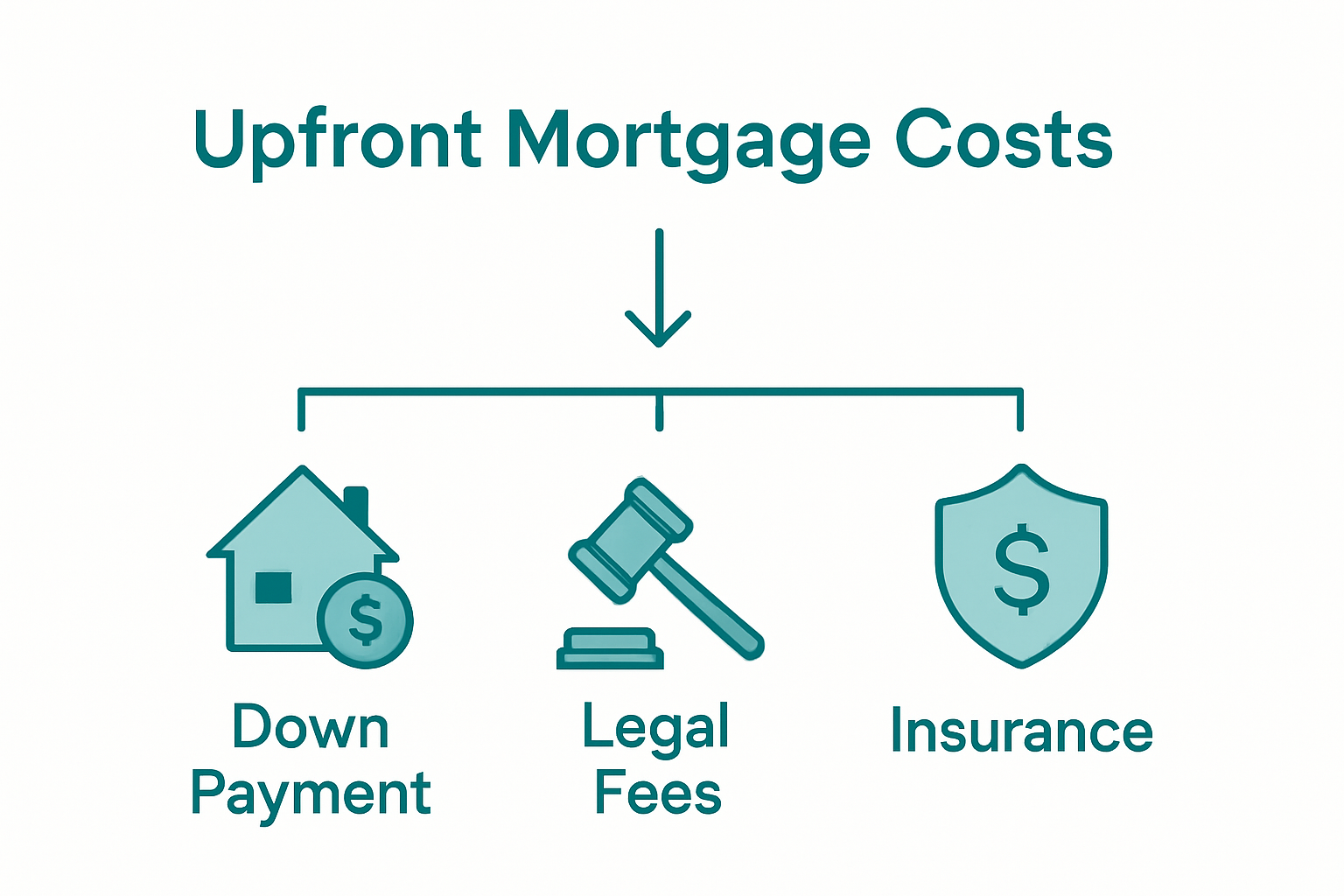
Upfront costs represent the initial financial hurdles in mortgage acquisition. These typically include down payments, legal fees, land transfer taxes, home inspection expenses, and mortgage insurance premiums for high-ratio mortgages. The Financial Consumer Agency of Canada highlights the importance of comprehensively understanding these initial investments, which can substantially impact overall borrowing affordability.
Long-term financial risks manifest through various potential scenarios. Penalty fees for breaking mortgage contracts can be substantial, often representing months of interest payments. Interest rate fluctuations pose significant risks, particularly for variable-rate mortgages, where market shifts can dramatically alter monthly payment structures. Mortgage default insurance becomes critical for borrowers with smaller down payments, adding an additional layer of financial complexity that increases overall borrowing costs.
Sophisticated borrowers must strategically evaluate potential financial vulnerabilities. This includes assessing personal income stability, understanding potential penalty implications, and maintaining robust emergency funds to manage unexpected financial challenges. Proactive risk management involves carefully selecting mortgage terms that align with individual financial resilience, considering factors like job security, potential career changes, and long-term income projections. Ultimately, successful mortgage management requires a holistic approach that balances immediate affordability with future financial flexibility.
Amortization versus term: the two numbers people mix up
These are the two most commonly confused words in a mortgage document, and confusing them costs money at renewal.
Your amortization is the total time it would take to pay the mortgage down to zero at your current payment — typically 25 years, sometimes 30. Your term is the length of the current contract with your lender — typically five years, sometimes one, two or three. A 25-year amortization with a five-year term means you will sign roughly five separate contracts before the mortgage is gone.
Every one of those signings is a decision point. The rate, the lender and the terms are all open for negotiation at the end of each term, and nothing obliges you to stay with the lender you started with. Treating renewal as a formality rather than a decision is the single most expensive habit in Canadian mortgages.
The ratios a lender actually calculates
Three numbers decide most applications. Knowing them tells you why an approval went the way it did.
GDS — Gross Debt Service ratio. Your housing costs (mortgage principal and interest, property tax, heating, and half of any condo fees) divided by your gross income. Most lenders look for roughly 39% or less.
TDS — Total Debt Service ratio. The same housing costs plus every other monthly obligation — car payments, credit card minimums, lines of credit, support payments — divided by gross income. Most lenders look for roughly 44% or less.
LTV — Loan to Value. The mortgage amount divided by the property value. Above 80% LTV the mortgage must be insured against default; at 80% or below it can be uninsured, which changes both the rate you are offered and the rules you are assessed under.
When a lender declines a file, it is almost always one of these three that failed — and each one has different levers. A TDS problem can sometimes be solved by restructuring other debt. An LTV problem cannot.
Master Mortgage Terms with Expert Guidance from Miracle Financial
Navigating complex mortgage terminology like amortization, variable rates, and high-ratio mortgages can feel overwhelming. Many Ontario homebuyers struggle with understanding these key concepts and fear making costly mistakes. Your goal is clear: find a mortgage solution that fits your budget, protects your financial future, and avoids unexpected risks such as penalty fees or shifting interest rates.
Our team at Miracle Financial is here to simplify every step for you. As a trusted Ontario mortgage broker with deep expertise in refinance mortgage Ontario, debt consolidation, and private mortgage lenders Ontario, we help you decode mortgage jargon and design a plan tailored to your unique needs.

Take control of your home financing today by partnering with a knowledgeable Vaughan mortgage broker who understands the nuances of Ontario’s mortgage market. Visit https://www.miraclefinancial.ca/ to connect with our experts and secure a mortgage strategy that safeguards your investment and supports your financial goals. Don’t wait for rising rates or penalty costs to add pressure — get personalized support now.
Frequently Asked Questions
What is the principal in a mortgage?
The principal refers to the total amount of money borrowed to purchase real estate, excluding interest and fees.
How do fixed-rate and variable-rate mortgages differ?
Fixed-rate mortgages maintain the same interest rate throughout the loan term, while variable-rate mortgages fluctuate based on market conditions, potentially changing monthly payments.
What are the debt service ratios used in mortgage assessments?
Debt service ratios, such as Gross Debt Service (GDS) and Total Debt Service (TDS), help lenders evaluate a borrower’s ability to manage mortgage payments alongside other financial obligations.
What are high-ratio mortgages, and who needs them?
High-ratio mortgages are for buyers with smaller down payments (usually less than 20% of the home’s purchase price) and typically require mortgage default insurance to protect lenders against potential default.